
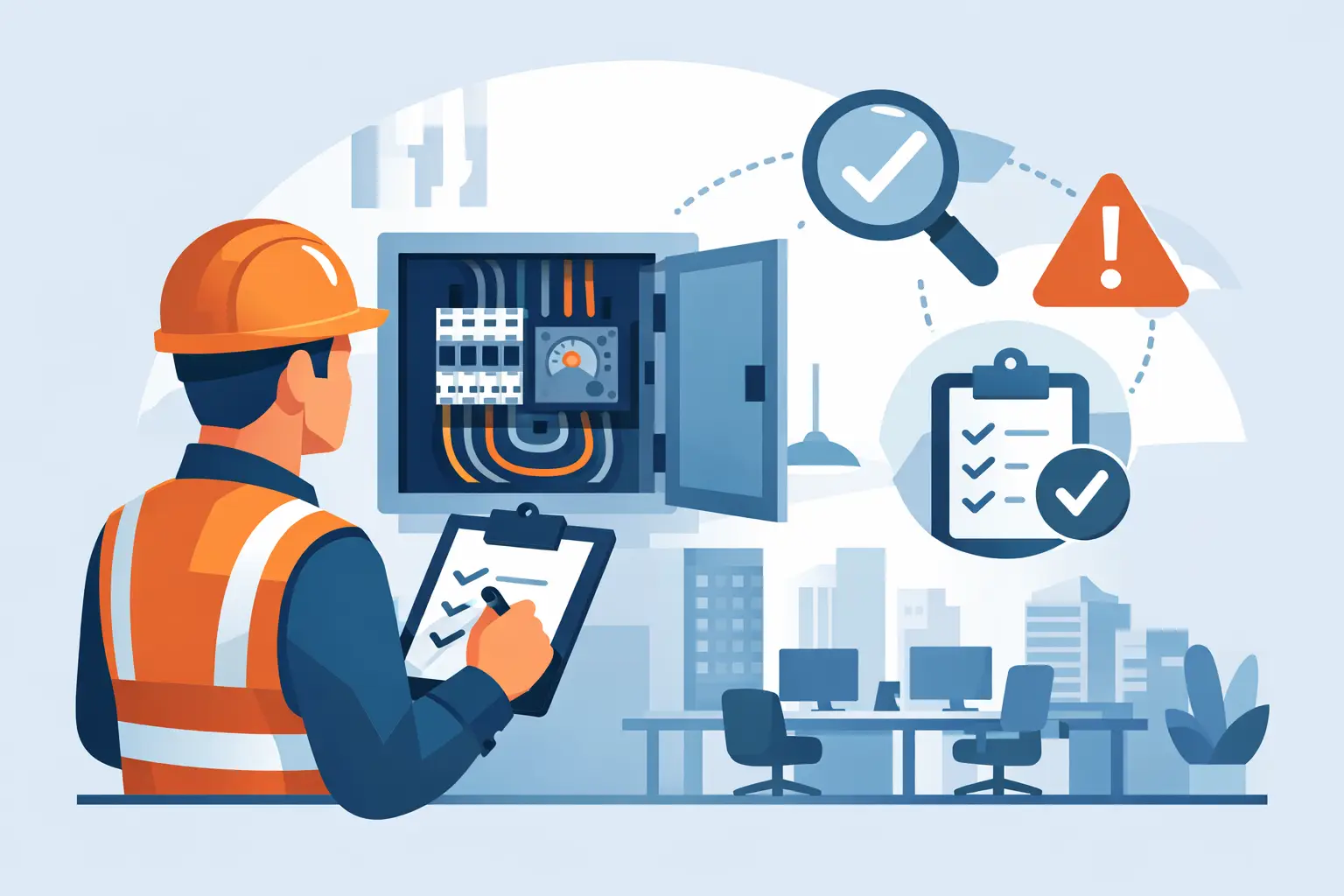
A lot of business owners only think about electrical inspections when something trips, flickers, or stops working. That is usually later than ideal. If you are asking how often should commercial electrics be inspected, the honest answer is that it depends on the type of building, how it is used, and the level of wear your system deals with day to day.
For most commercial premises, a regular inspection schedule is not just a box-ticking exercise. It helps catch overloaded circuits, damaged wiring, aging equipment, and small faults before they become downtime, fire risk, or a safety issue for staff and customers. In busy workplaces, that peace of mind matters.
How often should commercial electrics be inspected in most buildings?
In general, many commercial properties should have their fixed electrical installation inspected and tested every five years, or at change of occupancy, whichever comes first. That is a common benchmark for offices, shops, and similar business premises in normal use.
That said, five years is not a one-size-fits-all rule. Some environments need more frequent checks because the electrical system is under more strain, exposed to harsher conditions, or used by more people throughout the day. A warehouse with heavy machinery, for example, does not place the same demands on electrics as a small office with a few desks and lights.
If you manage multiple sites, it is worth treating each one on its own merits rather than assuming the same inspection interval applies across the board.
What affects how often commercial electrics should be inspected?
The biggest factor is the nature of the premises. A low-demand office in good condition may be suitable for a longer interval than a workshop, restaurant, salon, or industrial unit where heat, moisture, vibration, and constant equipment use all increase wear.
Age also matters. Older installations often need closer attention, especially if there have been piecemeal additions over the years. Extra sockets, lighting changes, air conditioning units, security systems, and equipment upgrades can all leave an electrical system doing far more than it was originally designed for.
Another factor is the people using the building. Premises open to the public, or buildings with high staff turnover, can see more accidental damage and heavier day-to-day use. If your team plugs in portable heaters, kitchen appliances, chargers, printers, tools, or specialist equipment across the site, that can raise the risk of overloaded circuits or unnoticed faults.
Insurance requirements, lease obligations, and internal health and safety policies can also affect the schedule. In some cases, you may be expected to inspect more often than the broad industry guideline.
Commercial environments that often need more frequent inspection
Some premises should be checked more often than every five years. Industrial sites, workshops, kitchens, farms, medical settings, and places with wet, dusty, or corrosive conditions usually need a shorter inspection interval.
The same goes for buildings where interruption would be especially costly. If one electrical fault can stop trading for the day, spoil stock, shut down security systems, or create a risk to staff, waiting too long between inspections is rarely worth it.
Rental commercial units are another example. If tenants change, layouts shift, and fit-outs are altered, the condition of the installation can change quickly. An inspection at change of occupancy helps confirm that the system is still safe and suitable for the next user.
Inspection vs routine maintenance – they are not the same thing
One common misunderstanding is treating an electrical inspection as the only time your system needs attention. In reality, inspections are periodic formal checks of the fixed installation. They do not replace ongoing maintenance or quick action when warning signs appear.
If your breakers trip regularly, lights flicker, sockets feel warm, machinery cuts out, or you notice buzzing, burning smells, or visible damage, do not wait for the next scheduled inspection. Those are signs to get an electrician in sooner.
A business can be within its inspection interval and still have an urgent electrical issue. The schedule is a baseline, not a reason to ignore what is happening in front of you.
What a commercial electrical inspection actually looks at
A proper commercial inspection is about more than a quick glance at the fuse board. It typically involves checking the condition of wiring, distribution boards, earthing and bonding, protective devices, sockets, switches, lighting circuits, and the overall suitability of the installation for the building’s use.
Testing is carried out to identify issues that are not always visible, such as insulation problems, faults in protective measures, or circuits that are no longer performing as they should. That is why these inspections are so valuable. Plenty of electrical problems build quietly over time.
You should also receive a report setting out the condition of the installation, highlighting any defects, and making clear whether remedial work is needed. For business owners and property managers, that paperwork matters. It gives you a record of the condition of the system and a clearer basis for any repairs or upgrades.
How often should commercial electrics be inspected after changes or upgrades?
If your premises have had significant electrical work carried out, that does not mean you can forget about inspections for years. New installations, altered layouts, extra power demands, and equipment upgrades can all change how the system performs as a whole.
For example, if you have added commercial kitchen equipment, HVAC systems, EV chargers, security systems, or extra lighting, the demand on the installation may have shifted. Even when the new work itself is completed properly, the wider system still needs to be suitable for the load and the environment.
This is especially relevant in growing businesses. What started as a simple office or small retail unit can gradually become a much busier site with more devices, more staff, and longer operating hours. If your business has changed, your inspection schedule may need to change with it.
Signs you should book an inspection sooner
Sometimes the building tells you the answer before the calendar does. If you are seeing repeated tripping, dead outlets, inconsistent lighting, damaged accessories, or any sign of overheating, it makes sense to arrange an inspection sooner rather than later.
The same applies if you have moved into a property and do not know when the electrics were last checked. A commercial unit may look tidy on the surface while hiding old wiring, overloaded circuits, or poor previous alterations behind walls and ceilings.
A new lease, renovation plans, a failed insurance check, or concerns raised by staff are all good reasons to have the installation assessed. It is far better to deal with issues in a planned way than during a power loss in the middle of a working day.
Why regular inspections save money over time
Some business owners put off inspections because they see them as a compliance cost. In practice, they are often cheaper than the problems they prevent. A fault found early is usually easier and less disruptive to fix than one that has been left to damage equipment, stop operations, or create a safety incident.
There is also the question of planning. When you know the condition of your electrical system, you can budget properly for repairs, upgrades, or replacement work instead of being forced into emergency callouts and last-minute shutdowns.
For landlords and property managers, regular inspections can also reduce disputes. You have a clearer record of condition, a better handle on maintenance, and fewer surprises when tenants change or compliance questions come up.
A sensible approach for business owners
If you are unsure how often your commercial electrics should be inspected, start with the practical basics. Look at the type of premises, the age of the installation, the equipment in use, the intensity of daily demand, and whether there have been recent changes to the building.
For many businesses, five years is a reasonable starting point. But if your site is older, busier, harsher, or more operationally sensitive, a shorter interval may be the safer call. Honest advice matters here. You want an electrician who will assess the building properly, explain any risks clearly, and recommend what makes sense for your setup rather than giving a blanket answer.
At BS Electrical, that is the approach we believe in – straightforward guidance, safe workmanship, and no-nonsense service that helps local businesses stay up and running.
If you cannot remember the last inspection, or you are relying on guesswork, that is usually the right time to get it checked. A well-timed inspection is not just about meeting requirements. It is about keeping your business safer, more reliable, and easier to manage.