
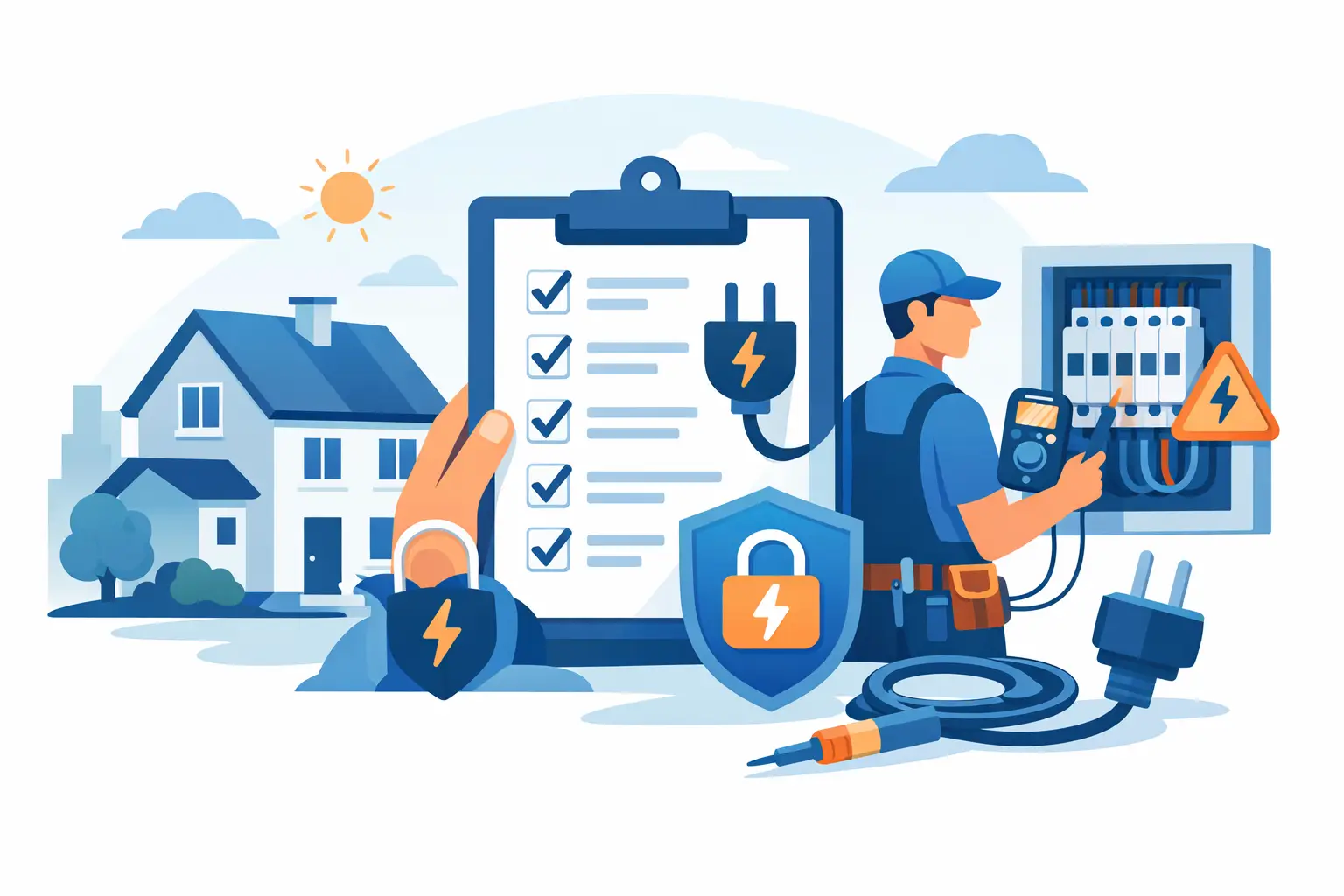
A tenant reports flickering lights, a tripping breaker, or a dead outlet, and suddenly a small issue turns into a bigger question – is the property actually meeting landlord electrical safety inspection requirements? For landlords, that question matters long before anything goes wrong. Electrical safety is not just about avoiding faults. It is about protecting tenants, keeping the property compliant, and catching problems before they become expensive.
What landlord electrical safety inspection requirements really mean
In simple terms, landlord electrical safety inspection requirements are the rules and expectations around making sure a rental property’s fixed electrical system is safe. That includes wiring, outlets, light fittings, consumer units or breaker panels, and other permanent electrical parts of the home.
This is different from checking portable appliances such as kettles or lamps supplied by a landlord. Those items matter too, but the core inspection requirement usually focuses on the fixed installation. The purpose is straightforward: a qualified electrician inspects the system, identifies wear, damage, overloading risks, poor workmanship, or outdated equipment, and records whether the installation is safe for continued use.
For most landlords, the key point is that this is not something to leave until a tenant complains. Electrical systems can deteriorate gradually. A property may look fine on the surface while hidden faults are developing behind walls, under floors, or inside the panel.
Why rental properties need a higher level of attention
Owner-occupied homes often go years without a proper electrical inspection because the person living there notices issues early, or at least accepts a certain level of risk in their own home. Rental property is different. Tenants may not report small warning signs straight away. They may not know what is normal, and they should not be expected to assess electrical safety themselves.
There is also more wear and tear in many rental homes. Turnovers, furniture movement, overloaded outlets, DIY changes by previous occupants, and general day-to-day use can all put strain on the electrical installation. A property that was safe a few years ago may not be safe now.
That is why landlord electrical safety inspection requirements are treated as a practical part of responsible property management rather than a box-ticking exercise. A proper inspection gives landlords clear evidence of condition and helps avoid emergency callouts, damaged appliances, and more serious hazards such as electric shock or fire.
What an electrical safety inspection usually includes
A full inspection is more than a quick glance at a breaker panel. The electrician will usually carry out visual checks and testing across the fixed installation to assess whether it is safe and in serviceable condition.
That commonly includes the condition of the breaker panel, circuit protection, earthing and bonding, wiring integrity, outlet testing, light circuits, and signs of damage or previous poor-quality alterations. The inspection also looks for issues such as overloaded circuits, incorrect connections, deterioration caused by age, and parts that no longer meet current safety expectations.
Once complete, the findings are recorded in a formal report. In many cases this is an Electrical Installation Condition Report, often shortened to EICR. That report explains whether the installation is satisfactory or whether remedial work is needed.
This is where some landlords get caught out. They assume the inspection itself is the requirement and the report is just admin. In reality, the report is the proof that the inspection happened and the record of what action, if any, is needed next.
How often inspections are needed
The exact timing can depend on local rules, property type, and the condition of the installation, but one common standard is that a rental property’s fixed electrical installation should be inspected and tested at least every five years. An electrician may also recommend a shorter interval if the property is older, has had significant alterations, or shows signs of heavier use.
There are other times when an inspection makes sense even if the five-year point has not yet arrived. A change of tenancy is a good example. If one tenant has just moved out and another is about to move in, that is often the best time to review the electrical condition, especially if the previous tenant reported faults or if maintenance history is unclear.
Properties that have undergone renovation, rewiring, flood damage, or repeated electrical faults may also need attention sooner. Waiting for the standard inspection date is not always the safest option.
What landlords should do after the report
Getting the inspection done is only part of the job. If the report identifies hazards or unsatisfactory items, those issues need to be addressed properly and without delay.
Some findings are more urgent than others. A report may flag immediate danger, potential danger, or improvement items that are recommended but not necessarily unsafe right now. That distinction matters because not every observation means a full rewire is needed. In some homes, the fix may be relatively minor, such as replacing damaged accessories, correcting bonding, or upgrading protective devices.
In other properties, especially older ones, the report can reveal deeper problems. Deteriorated wiring, an outdated panel, or poor historic alterations can make patch repairs a false economy. Spending less today can lead to repeat faults and higher costs later. It depends on the condition of the installation and how much remedial work is needed to make it safe.
Once repairs or upgrades are completed, landlords should keep copies of the original report, any certification for remedial work, and a clear record of when the next inspection is due. Good record keeping makes property management easier and protects you if questions come up later.
Common issues that cause landlords problems
A lot of rental properties fail inspections for reasons that are preventable. Older consumer units or breaker panels are one of the biggest examples. A panel may still appear to function, but if it lacks modern safety protection, that can be a serious concern.
Another common issue is DIY electrical work from years gone by. Added outlets, altered lighting circuits, garage feeds, and outdoor supplies are often where shortcuts show up. They may have worked well enough for a long time, but that does not mean they are safe.
Wear and tear also plays a part. Cracked outlets, loose switches, heat damage, broken light fittings, and signs of overloading are easy to miss during routine visits. In houses with multiple occupants, electrical demand can be much higher than the original installation was designed for.
The practical lesson is simple: minor warning signs should not be ignored. A breaker that trips now and then, lights that dim when appliances start, or buzzing from fittings are all reasons to get the system checked before the next scheduled inspection.
Landlord electrical safety inspection requirements and cost
Cost is often the reason landlords put inspections off, but it usually works out cheaper to inspect on time than to deal with emergency repairs after a failure. The price will vary based on property size, age, number of circuits, and whether access is straightforward.
A small modern apartment is usually quicker to inspect than a larger older house with additions, outbuildings, and a long history of alterations. If remedial work is needed, costs can range from minor fixes to substantial upgrades. That is why the cheapest quote is not always the best value. A thorough inspection, clear reporting, and honest advice matter more than shaving a little off the price.
For landlords managing more than one property, it helps to treat inspections as part of planned maintenance rather than as one-off reactive jobs. That makes budgeting easier and reduces the chance of unpleasant surprises.
Choosing the right electrician for rental property inspections
Landlords usually want the same things from an electrician that tenants do – reliability, clear communication, fair pricing, and work done properly the first time. Inspection work especially needs that practical approach because the report has to be clear enough for a landlord to act on.
A good electrician will explain what was found in plain language, tell you what needs urgent attention and what can be planned, and avoid turning every observation into a scare story. That matters when you are trying to balance compliance, tenant safety, and property costs.
For local landlords, working with a dependable contractor such as BS Electrical can make the process much simpler. You want someone who turns up, carries out a proper inspection, and gives straightforward advice you can trust.
A sensible approach for landlords
The best way to handle landlord electrical safety inspection requirements is not to think of them as a hurdle. Think of them as part of keeping a rental home safe, lettable, and easier to manage. Stay ahead of inspection dates, act on reports promptly, and do not wait for obvious faults before calling an electrician.
Most electrical problems give some warning before they become serious. Catching them early protects your tenants, your property, and your peace of mind.