
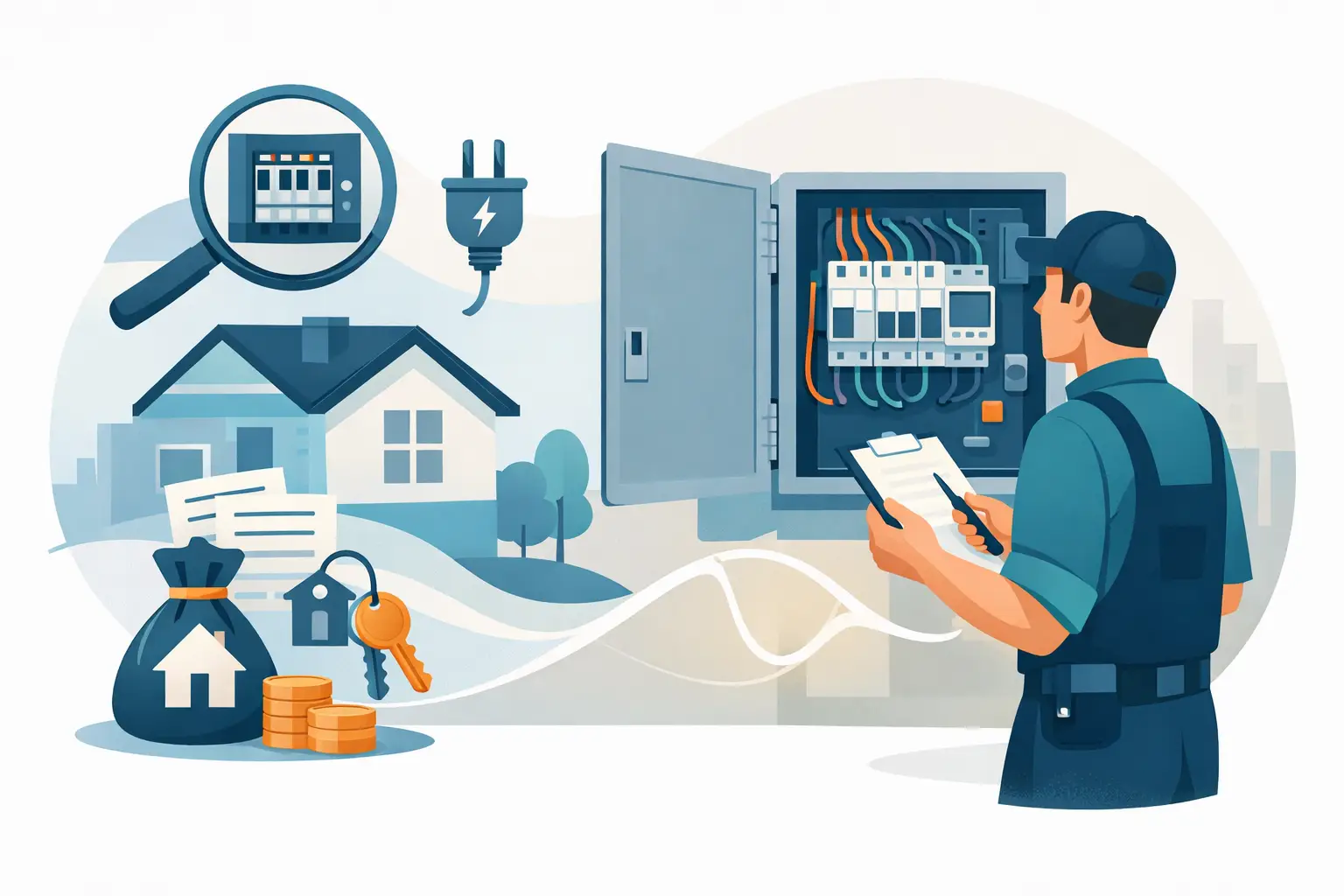
A dated fuse board is not just an inconvenience when a circuit trips. In a rental property, it can raise real questions about tenant safety, legal duties, insurance, and whether the existing electrical installation is fit for continued use. So, can landlords upgrade fuse boards? Yes. In fact, where an inspection identifies concerns, arranging an upgrade can be one of the most sensible ways to protect the property and the people living in it.
A fuse board upgrade should never be treated as a quick like-for-like swap, though. The board is the control center of the electrical installation, and changing it gives an electrician the opportunity – and responsibility – to assess whether the circuits connected to it are safe and suitable.
Can Landlords Upgrade Fuse Boards Themselves?
Landlords can authorize and pay for a fuse board upgrade, but the work itself should be carried out by a competent, qualified electrician. Replacing a consumer unit, often still called a fuse board, involves work on the main electrical supply and safety devices. It also needs proper inspection, testing, and certification once complete.
For rented homes in England, landlords must ensure that the electrical installation is inspected and tested at least every five years by a qualified person. They must provide tenants with a copy of the Electrical Installation Condition Report, or EICR, and act on any issues the report identifies within the required timescales.
If an EICR records defects that make the installation potentially unsafe, upgrading the fuse board may be recommended. That does not automatically mean the board is the only problem. A good electrician will explain whether the issue is the board itself, the age or condition of the wiring, a missing earth connection, poor circuit protection, or a combination of factors.
When Is a Fuse Board Upgrade Worthwhile?
Older boards can remain in service if they are in good condition and the installation tests satisfactorily. Age alone does not always mean a replacement is legally required. However, many older boards lack the protection expected in a modern rental property.
A new consumer unit normally includes modern circuit breakers and residual current device protection, commonly known as RCD protection. These devices are designed to cut power quickly if they detect a fault that could cause electric shock or fire. Modern boards may also include surge protection, which can help protect appliances and electronics from voltage spikes.
An upgrade is often worth considering when the existing board has rewireable fuses, visible damage, signs of overheating, missing covers, no RCD protection, or insufficient capacity for the property’s current use. It can also make sense before a new kitchen installation, electric shower, EV charger, extension, loft conversion, or major renovation.
For landlords, the practical benefit is clear. A properly installed modern board can make a property safer, reduce nuisance tripping caused by outdated protection, and provide a clearer foundation for future electrical work. It is not a substitute for safe wiring, but it is a key part of a safe installation.
The Condition of the Wiring Matters Too
A new fuse board cannot make unsafe wiring safe. This is the point that is sometimes missed when a landlord is quoted for a straightforward upgrade.
Before fitting a new consumer unit, the electrician should carry out checks on the existing circuits. They need to confirm that the wiring, earthing, bonding, insulation resistance, and circuit arrangements are suitable for connection to the new protective devices. If testing exposes faults, those faults may need repairing before the upgrade can be completed safely.
This can affect the cost and timescale. In a relatively modern, well-maintained property, a fuse board replacement may be a clean, efficient job. In an older house with aging cables, mixed wiring standards, or alterations carried out over many years, additional work may be needed. Honest advice at this stage prevents surprises later and avoids paying for a new board that cannot be safely put into service.
It is also why the lowest quote is not always the best value. A price that does not include inspection, testing, certification, and allowance for identifying genuine faults may look attractive initially but leave important work unresolved.
What Landlords Should Expect From the Work
A professional fuse board upgrade starts with a survey or a clear discussion about the property, its current electrical condition, and any recent inspection findings. The electrician should explain what type of consumer unit is proposed, what protection it will provide, and whether there are likely to be any additional repairs.
On the day, the electricity will normally need to be isolated while the old board is removed and the new one is installed. Tenants should be given reasonable notice, especially where the property is occupied. If the home relies on electric heating, cooking, medical equipment, or home working arrangements, it is worth discussing this beforehand so disruption can be managed sensibly.
Once installation is complete, the circuits must be tested and labeled clearly. The landlord should receive the appropriate electrical installation certificate and test results. Keep these documents with the property’s EICR, previous certificates, and records of any remedial work. They are useful evidence that the work was done properly and can make future inspections much more straightforward.
Depending on the nature of the work and local requirements, notification through the relevant building control process may also be necessary. A competent electrician can advise on this and make sure the paperwork is handled correctly.
Tenant Access and Landlord Responsibilities
A landlord is responsible for maintaining the fixed electrical installation, including the fuse board. Tenants should not attempt repairs, alter circuits, or replace the board themselves. If a tenant reports frequent tripping, a burning smell, crackling, damaged sockets, flickering lights, or a board that feels warm, treat it as a safety concern rather than a minor maintenance issue.
At the same time, not every trip means the fuse board has failed. A faulty appliance, overloaded extension lead, damaged charger, or moisture issue can also cause a circuit to trip. An electrician can trace the cause and advise whether a repair, further investigation, or a full board upgrade is appropriate.
Good communication matters in occupied rentals. Let tenants know when access is needed, how long the power may be off, and what they should do if they notice a problem afterward. It is a small part of managing the job, but it makes a significant difference to how smoothly the work goes.
Choosing the Right Time to Upgrade
The best time is often before a tenancy begins, during a planned refurbishment, or immediately after an EICR highlights concerns. Doing the work between tenants can reduce disruption and gives the electrician easier access to rooms, sockets, and circuits for testing.
That said, safety work should not be delayed simply because a property is occupied. If the installation has been found unsatisfactory or presents a risk, the priority is to make it safe. In some cases, this may mean completing repairs first and scheduling the consumer unit replacement as part of a wider electrical improvement plan.
For landlords across Middlesbrough, Teesside, and the wider North East, BS Electrical provides straightforward advice, careful testing, and fuse board upgrades carried out with the property’s condition in mind. The aim is not to sell work that is not needed, but to give you a clear view of what is safe, what is required, and what can reasonably wait.
If your rental property has an old fuse board or an EICR that raises concerns, arrange for it to be assessed rather than guessing. A clear inspection and honest recommendation can give you confidence that your tenants are protected and your property is being looked after properly.