
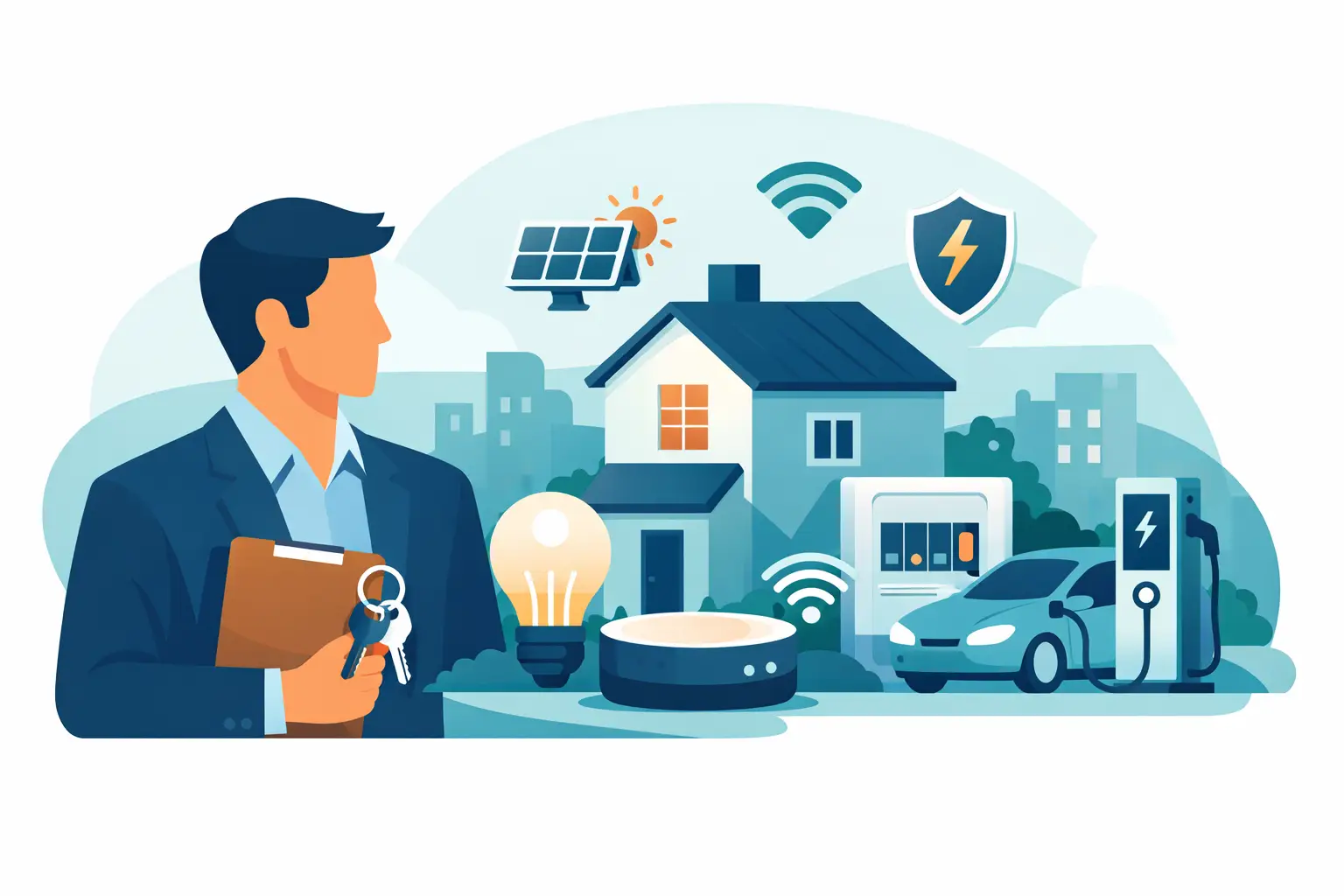
A tenant should not have to discover a loose outlet, overloaded circuit, or poor outside lighting after moving in. The best electrical upgrades for landlords are the ones that make a property safer, easier to maintain, and more attractive without spending money on features that do not suit the rental.
For most landlords, the right starting point is not a long wish list. It is an honest look at the age and condition of the installation, the type of tenants the property attracts, and the work most likely to prevent expensive callouts later. A trusted electrician can help separate urgent safety work from worthwhile improvements, so the budget goes where it counts.
Start With Safety Before Adding Features
An electrical safety inspection is often the most useful investment before any upgrade work begins. It gives a clear picture of the wiring, outlets, panel, bonding, and fixed electrical equipment. Older properties can hide problems behind freshly painted walls, including worn cables, poor connections, outdated protection, or circuits that have been added to over the years without a proper plan.
The findings should guide the order of work. If the installation needs significant repair or rewiring, installing decorative lighting or smart controls first makes little sense. Put the structure right, then improve the finish.
Safety work also protects the landlord from avoidable disruption. A fault that takes out power to a kitchen or heating system can quickly become an urgent issue, particularly in an occupied home. Work completed properly at the outset is usually less disruptive and more affordable than repeated patch repairs.
Upgrade the Electrical Panel and Circuit Protection
An older fuse box or electrical panel is one of the clearest signs that a rental may need attention. Modern consumer units and panels provide better circuit protection and make faults easier to identify. They can also offer the capacity needed for modern appliances, electric showers, laundry equipment, induction cooking, home working, and future additions such as EV charging.
This is not an automatic upgrade for every property. A well-maintained panel may still be suitable, while a newer-looking panel can conceal poorly organized circuits or other faults. The decision should come from inspection results and the expected electrical demand in the home.
Where an upgrade is needed, ask for circuits to be clearly labeled and laid out sensibly. That small detail makes a real difference when a tenant reports a tripped breaker. It helps both the tenant and the electrician deal with the issue quickly, without guesswork.
Consider dedicated circuits where demand is high
Kitchens and utility rooms are common pressure points in rental properties. Tenants may run a kettle, microwave, toaster, dishwasher, washing machine, and tumble dryer within a short period. If too many high-demand appliances share one circuit, nuisance tripping becomes more likely.
Dedicated or correctly divided circuits can reduce this problem. The same applies to electric showers, immersion heaters, and other fixed equipment that places a significant load on the installation. It is practical work that tenants may never notice directly, which is exactly the point: the home simply works as it should.
Improve Lighting Inside and Out
Lighting is one of the best-value electrical upgrades for landlords because tenants see and use it every day. Replacing tired fittings with simple, durable LED lighting can improve the look of a property while reducing energy use and the frequency of bulb changes.
Keep the choices sensible. Neutral, well-positioned ceiling lighting suits most rentals better than expensive statement fixtures that are difficult to replace. In kitchens, bathrooms, hallways, and work areas, good light levels matter more than decorative extras. Choose fittings appropriate for the room, especially where moisture is present.
Outside, lighting is about safety as much as appearance. A well-lit front entrance, path, side passage, or parking area helps tenants get in safely after dark and can make the property feel more secure. Motion-sensor lighting is often a good fit because it limits unnecessary energy use while providing light when it is needed.
For shared buildings or houses with multiple occupants, check that communal routes, stairways, and entrances are consistently lit. Poor lighting in these areas is a regular source of complaints and can create an obvious safety concern.
Add Enough Outlets in the Right Places
Extension cords are often a sign that a property does not have enough outlets where people actually need them. They can lead to clutter, overloaded adapters, damaged cables, and frustration for tenants. Adding outlets is usually a straightforward improvement when planned as part of wider electrical work.
Think about how each room is used. Bedrooms need convenient outlets near likely bed positions. Living rooms need capacity for televisions, routers, lamps, and charging. Kitchens need outlets above work surfaces, positioned sensibly away from sinks and heat. Hallways may benefit from an outlet for vacuuming, while home-office space is now a strong selling point in many rentals.
USB charging outlets can be useful, but they are not essential in every property. Standard outlets, properly located and in good condition, will usually offer the better long-term value. Technology changes quickly, while a well-planned electrical installation should serve the property for years.
Use Smoke, Carbon Monoxide, and Emergency Systems Properly
Life-safety devices deserve careful attention, particularly in rental homes with multiple floors, gas appliances, solid-fuel appliances, or shared spaces. Smoke alarms and carbon monoxide alarms should be correctly located, interconnected where required, and tested regularly. The exact requirements depend on the property type and local rules, so this is an area where landlords should get current professional advice rather than rely on an old checklist.
Hardwired alarm systems with battery backup can offer greater reliability than relying only on standalone battery devices. For larger properties, integrated fire alarm arrangements may be appropriate. The key is not to over-specify a system, but to make sure it is suitable, compliant, and straightforward to maintain between tenancies.
Make Security a Useful Upgrade, Not a Gimmick
Security upgrades can help a rental stand out, but only when they solve a real concern. A video doorbell, exterior camera coverage, door access control, or intruder alarm may be worthwhile for a property in an area where tenants value added reassurance. Good exterior lighting often supports the same goal at a lower cost.
Landlords should also consider privacy and management before installing cameras. Equipment must be positioned responsibly, tenants should understand what is installed, and any system needs a clear plan for access, maintenance, and data handling. A poorly managed camera system can cause more problems than it prevents.
For many single-family rentals, a reliable alarm and well-lit entry points are enough. For managed blocks, shared entrances, or commercial units, a more integrated approach may make better sense.
Plan for EV Charging Only When the Property Supports It
EV charger installation can be an attractive addition for homes with off-street parking, especially where tenants are likely to have electric vehicles. It can make a rental more competitive and may support higher-demand tenants looking for convenience.
However, it is not a blanket upgrade. The electrical supply, panel capacity, parking arrangement, ownership boundaries, and how electricity will be billed all need consideration. In a multi-unit property, one charger for one tenant can create complications unless the arrangement is planned fairly from the start.
A site assessment will show whether the property is ready now or whether a panel upgrade, load management, or a future provision is the more sensible route. Installing the necessary pathway during other electrical work can be a smart lower-cost option, even if the charger itself is added later.
Choose Durable Work and Keep Clear Records
Rental properties need electrical work that stands up to regular use. Cheap fittings, poorly secured outlets, and rushed repairs rarely save money over the life of a tenancy. Choose durable products, keep instruction manuals where relevant, and retain inspection reports, certificates, and records of repairs.
Clear records help when a tenant raises a concern, when a property changes hands, or when planning the next round of maintenance. They also make it easier for the next electrician to understand what has been done and why.
BS Electrical takes a practical, no-nonsense view of landlord upgrades: deal with safety first, improve the areas tenants use every day, and avoid paying for extras that do not add value. A well-maintained electrical installation is rarely the headline feature of a rental listing, but it gives tenants something more valuable – a home that feels safe, dependable, and ready to live in.