
If your lights trip for no clear reason, your breakers feel outdated, or your fuse board has never been updated, a consumer unit replacement service may be the safest next step. For many homeowners, landlords, and small business owners, the issue is not just convenience. It is about making sure the property’s electrical system can handle modern demand and still protect people properly if something goes wrong.
A lot of customers only start looking into this after a problem. Maybe circuits keep tripping when the kettle and microwave are on together. Maybe an inspection flagged an older board. Maybe you have just bought a property and want peace of mind before doing any upgrades. Whatever the reason, replacing a consumer unit is one of those jobs that is best handled properly the first time.
What a consumer unit replacement service actually covers
A consumer unit is the main control point for your property’s electrical circuits. In many homes, people still call it the fuse box or breaker panel. It is the unit that distributes electricity around the building and cuts power if there is a fault.
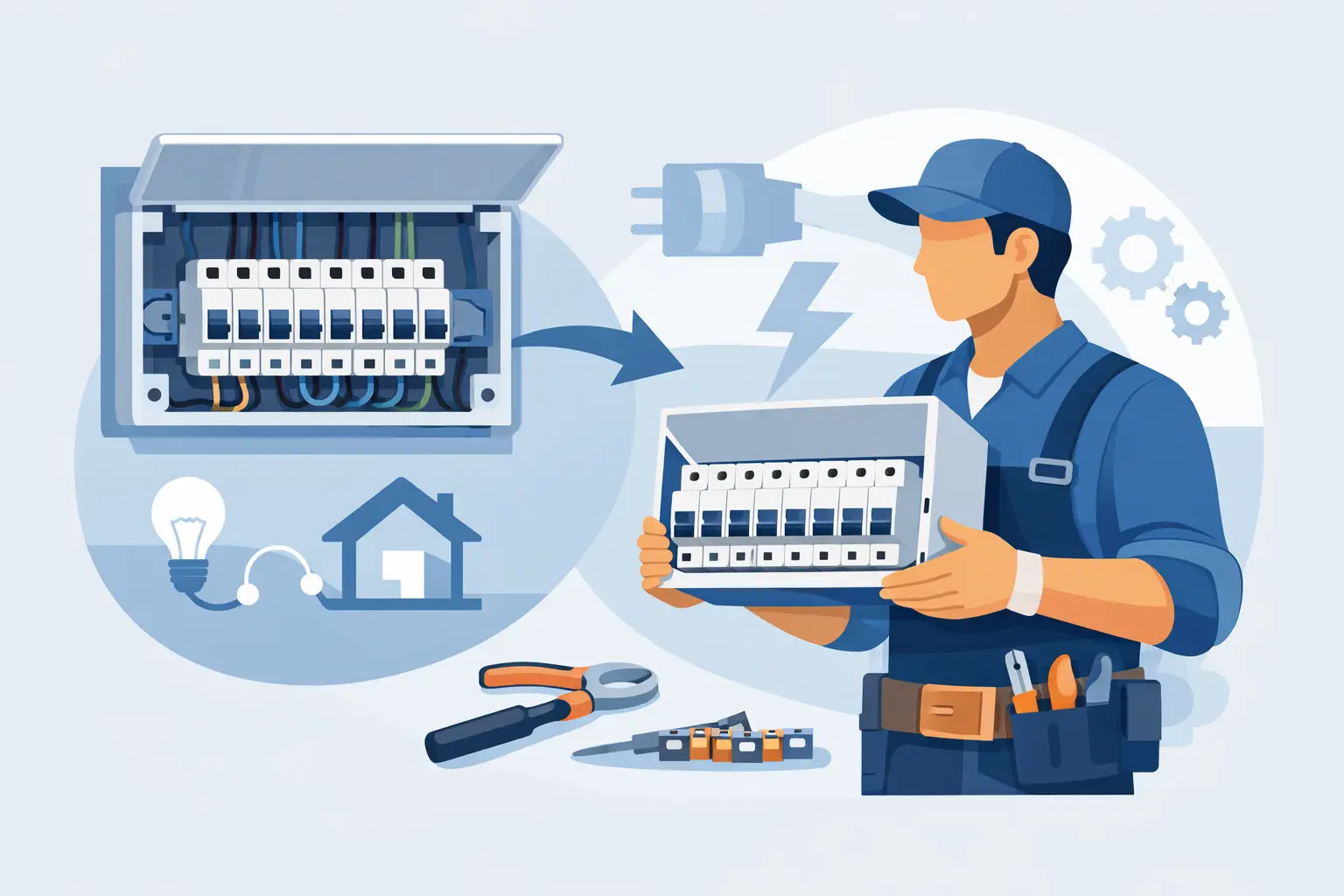
A proper consumer unit replacement service is not just a case of swapping one box for another. The electrician will assess the existing setup, check the condition of the circuits, remove the old board, install the new unit, test the system, and confirm everything is working safely. That testing side matters just as much as the installation itself, because a new board can reveal faults elsewhere in the wiring that an old setup may not have identified clearly.
That is why honest advice matters. In some properties, the replacement is straightforward. In others, there may be underlying issues that need attention at the same time. A decent electrician should tell you that upfront, not halfway through the job.
Signs you may need consumer unit replacement
Sometimes the signs are obvious. Sometimes they are not. If your property still has an old fuse board with rewireable fuses, it is usually worth having it assessed. Older boards were designed for a different era of electrical use and often do not offer the level of protection expected in modern installations.
Frequent tripping is another common warning sign. A breaker that trips now and then might point to a single faulty appliance, but repeated issues across multiple circuits can suggest a larger problem with the board or the overall installation.
You may also need a replacement if you are renovating, adding new circuits, upgrading a kitchen, fitting an EV charger, or converting part of a property for business use. In these cases, the existing unit may no longer be suitable for the amount of power being used.
Landlords often face this question after an inspection identifies an outdated board or missing protection devices. For them, the goal is usually simple – keep the property safe, compliant, and less likely to cause repeat maintenance issues.
Why replacing an old fuse board improves safety
The biggest reason people book a consumer unit replacement service is safety. Newer consumer units are designed to respond faster and more effectively when faults occur. That can reduce the risk of electric shock, overheating, and fire.
Older fuse boards can still appear to work, but that does not mean they are offering the right level of protection. Electrical safety is not always visible. A board can look fine on the outside while lacking modern protective features inside.
This is especially relevant in older homes, rental properties, and small commercial spaces that have had years of additions and alterations. Extra sockets, outdoor power, kitchen upgrades, alarms, lighting changes – over time, the demands on the system increase. If the board has not kept up, it becomes the weak point.
What happens during the job
Most customers want to know how disruptive the work will be. In straightforward cases, replacing a consumer unit can often be completed within the day. The power will need to be switched off while the work is carried out, so it helps to plan for that in advance.
The process normally starts with checks on the current installation. Once the old board is removed, the new consumer unit is fitted and each circuit is connected correctly. After that, the electrician carries out testing to make sure the circuits are safe and functioning as they should.
This is the part that many people do not see, but it is one of the most important. Testing confirms whether the existing wiring is compatible with the new board and whether there are faults that need correcting. In some cases, everything passes cleanly. In others, issues such as poor connections, damaged accessories, or circuit faults need to be put right before the installation can be signed off.
That does not mean the job has gone wrong. It means the testing is doing its job.
Cost depends on the property, not just the board
One of the most common questions is price. The honest answer is that the cost of a consumer unit replacement service depends on the property and the condition of the existing electrical system.
A straightforward replacement in a well-maintained home is usually more predictable than a job in an older building with unknown wiring history. The number of circuits, ease of access, and whether remedial work is needed will all affect the final cost.
This is why a proper quote matters. A very cheap price over the phone can sound appealing, but if it ignores testing, certification, or likely issues in the installation, it is not really a fair comparison. It is better to get a clear, realistic quote from an electrician who explains what is included and what could affect the job once testing begins.
Choosing the right electrician for consumer unit replacement
This is not a job to leave to guesswork. Consumer unit replacement needs to be carried out safely, tested correctly, and certified properly. For customers, that usually comes down to choosing someone local, experienced, and straightforward in how they work.
You want an electrician who explains the condition of the existing board in plain English, turns up when they say they will, and gives you a sensible recommendation rather than a sales pitch. Good communication counts for a lot here, especially if you are not familiar with electrical work and just want to know what needs doing and why.
It also helps to choose a contractor who is used to working across both domestic and small commercial properties. The core job may be similar, but the needs can differ. A homeowner may care most about safety and reliability. A landlord may need to think about inspection outcomes and tenant disruption. A business owner may need downtime kept to a minimum.
That practical understanding is often what separates a dependable local tradesperson from a bigger, less personal service.
Consumer unit replacement service for older homes and rentals
Older homes often bring extra unknowns. Previous alterations may not have been documented clearly, and circuits may have been extended over time. Replacing the board in these properties is often a smart move, but it should be approached carefully.
The same applies to rentals. A landlord may only become aware of problems after a report highlights them, but putting off the work rarely makes things easier. A newer consumer unit can improve safety, reduce nuisance tripping, and make future maintenance more straightforward.
For both property types, clear advice is what matters most. Sometimes a replacement is all that is needed. Sometimes it is part of a wider plan to improve the condition of the installation over time.
Why local service makes a difference
When you are arranging electrical work, especially something as central as the fuse board, trust matters. A local contractor has more reason to get the job right, communicate clearly, and protect their reputation. That matters whether you own one home, manage several rentals, or run a small business.
BS Electrical works with customers across Middlesbrough, Teesside, and the wider North East who want honest, no-nonsense electrical work carried out safely and efficiently. That local, tradesperson-led approach tends to suit people who value clear advice, fair pricing, and the confidence that the work will be done properly rather than rushed through.
If you think your current fuse board is outdated, unsafe, or simply no longer right for the property, getting it checked is a sensible move. A good consumer unit replacement service should leave you with more than a new box on the wall. It should leave you with confidence every time you switch something on.