
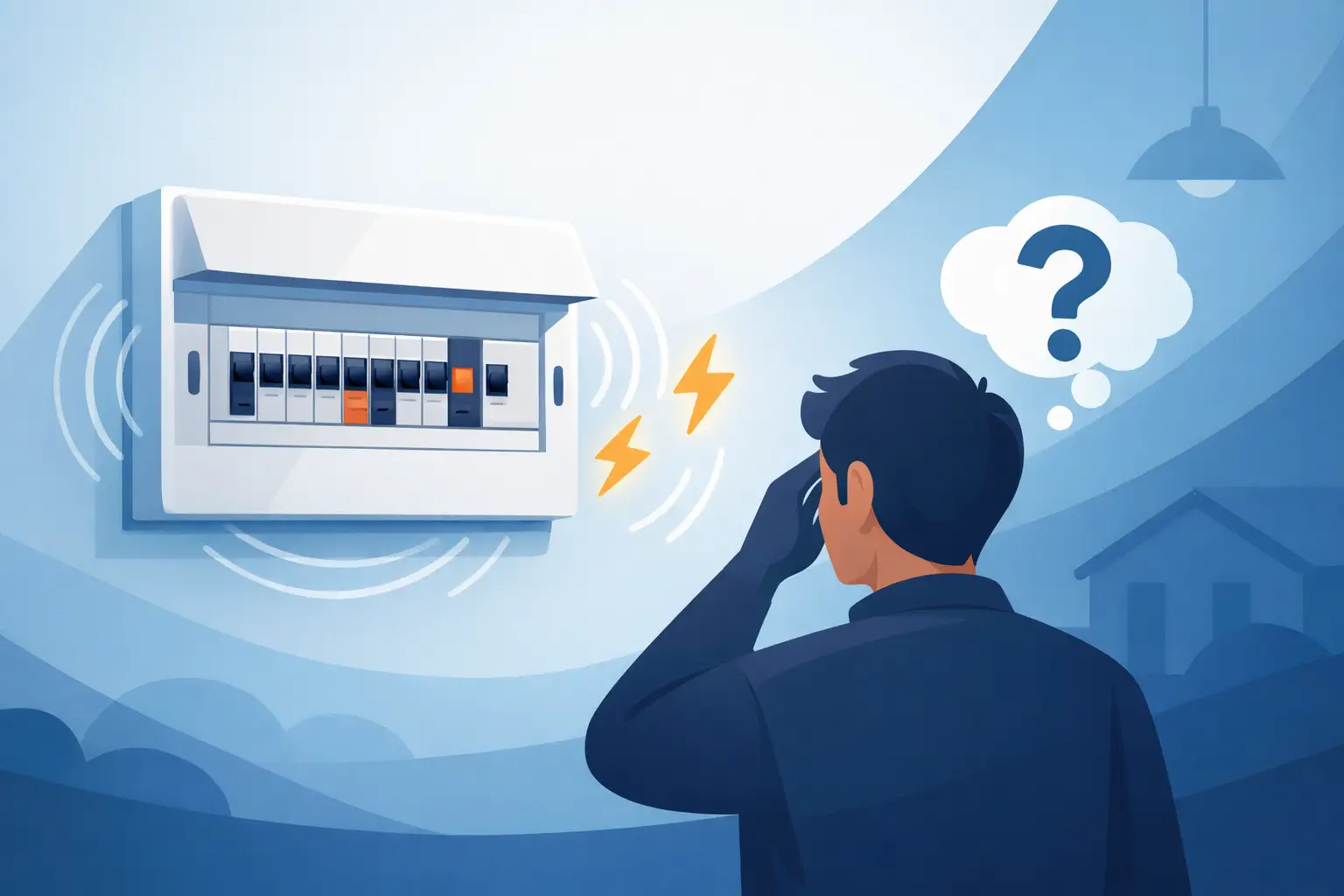
A fuse board should not be something you hear across the room. If you are asking, why does my fuse board buzz, the short answer is that something electrical is happening inside the panel that needs checking. Sometimes the cause is minor, like normal vibration from a breaker under load. Sometimes it points to a loose connection, an overloaded circuit, or a faulty breaker. The key thing is not to ignore it, especially if the buzzing is new, getting louder, or comes with heat, a burning smell, or power cutting out.
Why does my fuse board buzz in the first place?
A fuse board, also called a consumer unit or breaker panel, controls and protects the electrical circuits in your property. Inside it are breakers, terminals, busbars, and other components carrying live current. When everything is working properly, it should be mostly quiet.
Buzzing usually means one of two things. Either a component is vibrating slightly as electricity passes through it, or there is a poor electrical connection creating arcing or heat. Those two situations are very different in terms of risk. A faint, occasional hum can happen under heavier demand, but a noticeable buzz is not something to write off as normal household noise.
In practical terms, the sound is often caused by electricity not flowing as cleanly as it should. That may be down to wear and tear, a breaker reaching the end of its life, loose terminations, or a circuit that is being pushed harder than it should be.
Common reasons a fuse board starts buzzing
A loose connection inside the board
This is one of the more common and more serious causes. If a wire termination has loosened over time, current can jump slightly across the gap instead of flowing through a firm connection. That can create a buzzing or crackling sound, and it can also lead to overheating.
Loose connections do not fix themselves. In fact, they usually get worse as heat builds up and the metal expands and contracts. If the buzzing is coming from one area of the board, especially around a particular breaker, this is one possible reason.
A faulty circuit breaker
Breakers can wear out. Inside the breaker are moving parts and contacts, and if those parts are damaged or deteriorating, they may start to buzz under load. A faulty breaker might still appear to work for a while, which is why people sometimes put up with the noise longer than they should.
If the sound gets worse when you switch on certain appliances, that can point to a breaker struggling with that circuit. It does not always mean the appliance is faulty, but it does mean the circuit needs proper testing.
Overloaded circuits
Modern homes and businesses use far more electrical equipment than many older installations were designed for. Space heaters, microwaves, kettles, tumble dryers, gaming setups, office equipment, and EV chargers all add up quickly.
If one circuit is carrying more load than it should, the breaker may start making noise as it handles that demand. You may notice the buzzing at certain times only, such as in the evening when more things are running, or during colder weather when heating appliances are in use.
Normal magnetic vibration under load
There is a less alarming possibility too. Some electrical components naturally produce a faint humming or buzzing because of electromagnetic vibration. This can happen in panels, transformers, or certain protective devices when under load.
The important part is the level and character of the sound. A very light hum that has always been there is different from a sharp, obvious buzz that has suddenly started. Most homeowners are good at noticing when something sounds off, and if it does, trust that instinct.
Arcing
Arcing is where electricity jumps through air between conductors instead of following its intended path. That can create a distinct buzzing or sizzling sound. This is more concerning because arcing generates heat and increases fire risk.
You will not always see signs from the outside. That is why a buzzing fuse board should be treated with caution, even if the lights still work and nothing has tripped.
When a buzzing fuse board is dangerous
Not every noise means an emergency, but some warning signs mean you should act quickly. If the board feels warm or hot, if you can smell burning plastic, if breakers are tripping repeatedly, or if lights are flickering along with the buzzing, stop using as much electrical load as possible and get an electrician involved.
The same applies if the buzzing is loud, constant, or paired with visible scorching, discoloration, or crackling. Those signs suggest heat damage or arcing rather than harmless vibration.
For landlords and business owners, it is worth being extra cautious. A fuse board issue does not just affect convenience. It can affect tenant safety, insurance expectations, and business continuity if power to part of the property fails.
Why does my fuse board buzz only sometimes?
Intermittent buzzing often makes people put the issue on the back burner. If it only happens now and then, it is tempting to assume it is nothing serious. In reality, occasional buzzing often points to a load-related issue.
For example, the sound may only appear when the oven is on, when the shower is running, or when several sockets on one circuit are being used at once. That pattern matters. It can help identify whether the problem sits with a specific breaker, a certain circuit, or an appliance drawing more current than expected.
It may also happen more in warm weather or after years of use, when components have aged and become less reliable. Electrical faults are not always dramatic at first. Many start as small signs like a faint buzz, then gradually turn into tripping, overheating, or complete failure.
What you should do if your fuse board is buzzing
Start by paying attention to what else is happening. Is the sound constant or only under load? Do any circuits trip? Are certain appliances involved? Is there any heat or odor? Useful details like that can help fault finding.
What you should not do is remove the cover and inspect the inside yourself. Even with some breakers switched off, parts of the fuse board can remain live. This is not a safe DIY job.
If the buzzing is mild and there are no other warning signs, reduce demand on the system until it can be checked. Turn off high-load appliances you do not need and avoid using extension leads to pile more demand onto one circuit. If there is heat, smell, crackling, or obvious distress, treat it as urgent.
Can an old fuse board cause buzzing?
Yes, absolutely. Older fuse boards are more likely to develop noisy breakers, tired connections, and performance issues simply because of age. They may also be dealing with electrical demand they were never designed for.
That does not mean every older board needs immediate replacement. Sometimes a targeted repair or replacement of a faulty breaker is enough. Other times, especially if the unit is outdated, damaged, or lacking modern protection, an upgrade makes more sense long term.
This is where a proper inspection matters. Guessing can lead to wasted money, while testing tells you whether the issue is a single faulty part or a wider problem with the installation.
What an electrician will usually check
A good electrician will not just listen to the noise and swap parts at random. They will test the circuits, inspect the board, check connections, look for signs of heat damage, and assess whether the load on each circuit is appropriate.
They may find the problem is isolated to one breaker. They may find a loose termination. Or they may discover the board has signs of wear that make replacement the safer and more cost-effective option.
For customers in homes, rentals, and small commercial properties, the main goal is simple: make the system safe, reliable, and fit for what the building actually uses day to day. That is the kind of straightforward fault finding BS Electrical is known for – honest advice, no-nonsense service, and work done properly the first time.
Is it safe to keep using power if the fuse board buzzes?
It depends on the type of buzzing and whether there are other warning signs, but as a rule, you should not ignore it and carry on as normal. A very faint hum with no heat, smell, or tripping may not mean immediate danger, but it still deserves inspection. A louder or changing buzz should be treated more seriously.
Electrical faults rarely improve with time. If the noise is being caused by heat, loose connections, or arcing, continued use can make the damage worse and increase the risk.
A buzzing fuse board is your property telling you something is not right. You do not need to diagnose it yourself, but you do need to take it seriously and get it checked before a small issue turns into a bigger one.