
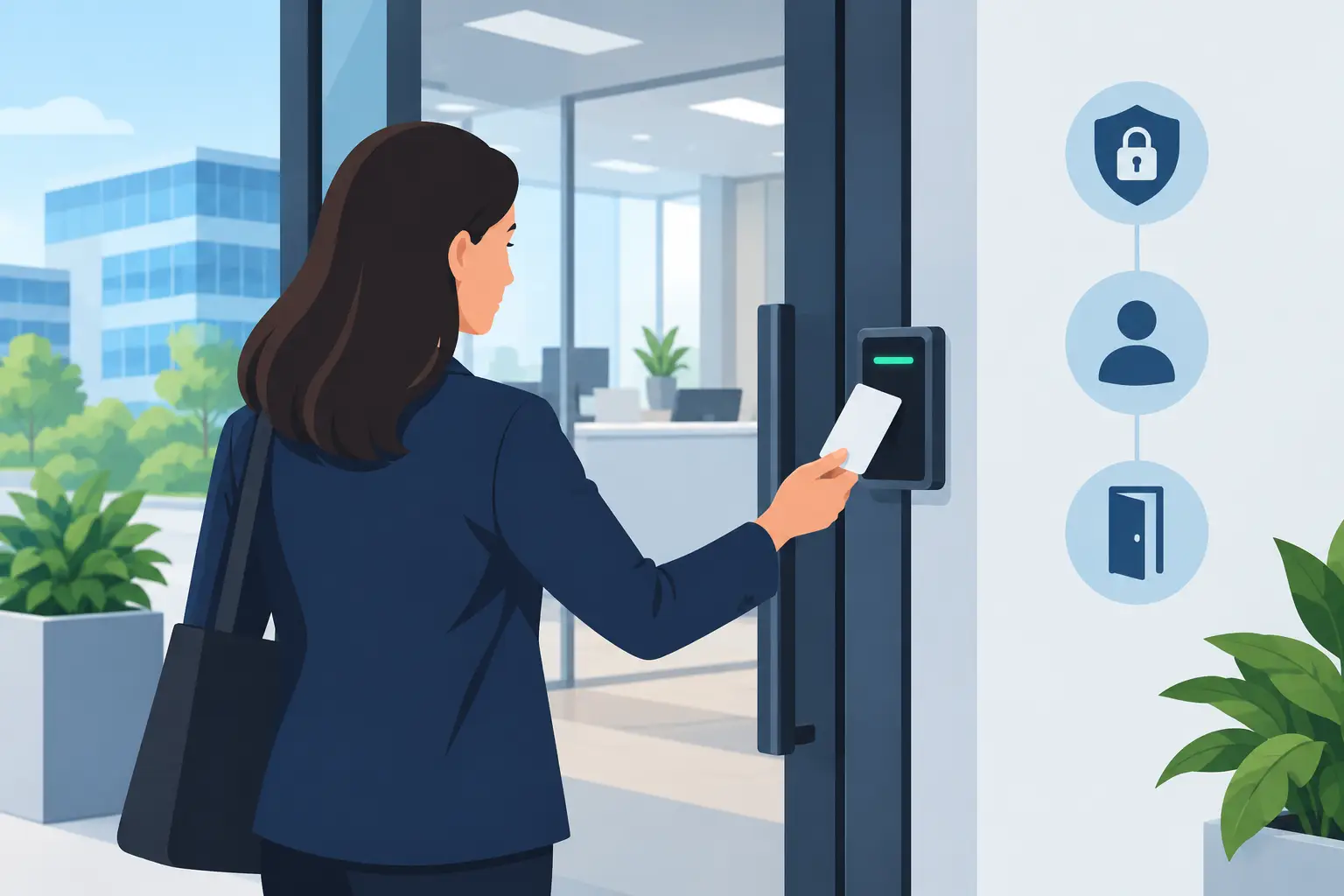
A door that is left unlocked after hours, a lost key that cannot be traced, or a shared code known by former staff can quickly become a security issue. Well-planned access control projects replace those everyday weak spots with a clear, manageable way to decide who can enter a property, when they can enter, and which areas they can use.
For a homeowner, landlord, or business owner, the aim is rarely to create a complicated security setup. It is to make the building safer without making daily life difficult for the people who need access. The right system should feel straightforward from the first day of use, with dependable hardware and a setup that suits the property rather than a one-size-fits-all package.
Start Access Control Projects With the Real Problem
The best starting point is not choosing a keypad, card reader, or smart lock. It is identifying what needs to be controlled. A single staff entrance, a communal apartment door, a side gate, and a restricted office all have different requirements.
A small business may simply need to stop keys being copied and make it easy to remove access when a staff member leaves. A landlord may need secure entry for a shared building while allowing tenants to receive visitors. At home, access control can be useful for a detached garage, home office, side entrance, or a gate that leads to the rear of the property.
Before any equipment is selected, it helps to answer a few practical questions: who needs access, which doors need protection, whether visitors need to call through, and what should happen if there is a power outage or an emergency. These details affect the type of locking hardware, the power supply, and whether an intercom or video entry system is worthwhile.
Trying to add technology before settling these basics often leads to wasted money. For example, a keypad may seem convenient until several people share the same code. A card or fob system gives better control in that situation because individual credentials can be removed without changing access for everyone else.
Choose a System That Fits How the Building Is Used
Access control is not just for large offices. There are several sensible options for smaller properties, and the best choice depends on the level of control needed.
A keypad system is often a practical option for a single door where a small number of trusted people require entry. It avoids physical keys, but codes need to be changed whenever they have been shared too widely. Keypad access works best when the responsibility for managing codes is clear.
Fob, card, or tag access gives each user their own credential. This is useful for offices, workshops, rental properties, and staff entrances because lost fobs can be canceled quickly. It also avoids the disruption of changing locks and cutting new keys.
Video or audio intercom systems make more sense where visitors regularly need to be admitted. They are commonly used at apartment entrances, gated properties, offices, and premises that receive deliveries. Video entry adds another level of reassurance by allowing the person inside to see who is requesting access before releasing the door.
Mobile phone access can be convenient for some businesses, particularly where staff change regularly or managers need to grant temporary access remotely. However, it depends on users keeping phones charged, installing the required app, and following sensible account security. It is often best used alongside fobs or another backup method rather than as the only way in.
The lock itself matters just as much as the reader on the wall. Electric strikes, magnetic locks, and other door-release equipment each have their place. The choice depends on the door construction, frame, existing locking arrangement, expected foot traffic, and the need for safe emergency exit. A system that looks good on paper can be unreliable if the door is warped, the closer is poorly adjusted, or the frame is not suitable for the intended lock.
Safe Installation Is More Than Fitting a Reader
A professional installation begins with the condition of the door. Access control equipment needs a secure door, sound hinges, suitable frames, and a closer that latches consistently. If the door does not shut properly, even the most expensive entry system will not provide the protection expected.
Power and cabling also need careful planning. Running visible cables across walls or fitting an unsuitable power supply may save time at first, but it can spoil the finish and create faults later. A tidy installation protects cables where possible, keeps equipment accessible for maintenance, and allows for future additions such as CCTV, alarms, or another controlled door.
Emergency egress must always be considered. People must be able to leave safely, and access control must not interfere with the building’s fire safety arrangements. In commercial premises, the door release may need to work with the fire alarm system or include suitable emergency release equipment. The correct approach depends on the door’s location, the building layout, and how the premises are used.
This is one area where cutting corners can cause serious problems. A lock that keeps intruders out but creates an unsafe exit route is not a successful installation. Good access control balances security with safe, simple escape for occupants.
Plan for Visitors, Contractors, and Lost Credentials
A system is only as effective as the rules around it. Once access control has been installed, someone should be responsible for adding and removing users, keeping credentials secure, and reviewing access when roles change.
For a business, temporary access is worth considering from the outset. Cleaners, maintenance contractors, delivery teams, and short-term staff may need entry at specific times without being given a permanent key or a code used by everyone. Systems with individual fobs, cards, or managed mobile access make this much easier to handle.
Landlords and property managers should also think about turnover between tenancies. Replacing physical locks every time a key is not returned can become expensive. Managed credentials allow access to be withdrawn quickly, although the system still needs to be set up correctly and maintained.
It is also wise to keep a simple record of who has access. This does not need to be overly complicated. For a small business, a current list of active fobs or codes may be enough. The point is to avoid finding out months later that former staff, old contractors, or unknown keyholders can still enter the building.
Think About the Whole Security Setup
Door access control often works best as part of a wider security plan. A controlled entrance can be supported by CCTV covering the approach to the door, an intruder alarm protecting the interior, and exterior lighting that removes dark hiding places. These measures do different jobs, but together they give a clearer picture of what is happening around the property.
That does not mean every property needs every system. A homeowner may only require a secure gate release and a video door entry unit. A workshop may benefit more from fob access on the staff entrance and CCTV at the loading area. The right level of security depends on the risks, the value of equipment on site, the number of users, and the budget available.
Future expansion is another sensible consideration. If a business may add staff, open another entrance, or create a restricted storage area later, choosing equipment that can grow with the property can avoid replacing the whole system. On the other hand, there is little value in paying for a large multi-door system when one secure entrance is all that is needed.
What a Good Installation Should Leave You With
When access control projects are completed properly, the handover matters. You should know how to use the system, how to add or remove credentials where appropriate, and who to contact if there is a problem. Any emergency release equipment should be clearly understood, not treated as an afterthought.
The finished work should also look neat and purposeful. Readers, release buttons, intercom panels, and cabling are part of the property once installed. Careful positioning makes a difference to both usability and appearance, especially at a front entrance or customer-facing reception door.
BS Electrical takes a practical approach to access control for homes, rental properties, and local businesses across Middlesbrough, Teesside, and the wider North East. The focus is on fitting equipment that suits the door, the people using it, and the level of security actually required – with clear advice before work begins.
A well-chosen system does not need to be complicated to be effective. Start with the doors that create the greatest concern, make sure the safety requirements are right, and choose a setup that remains easy to manage long after installation day.