
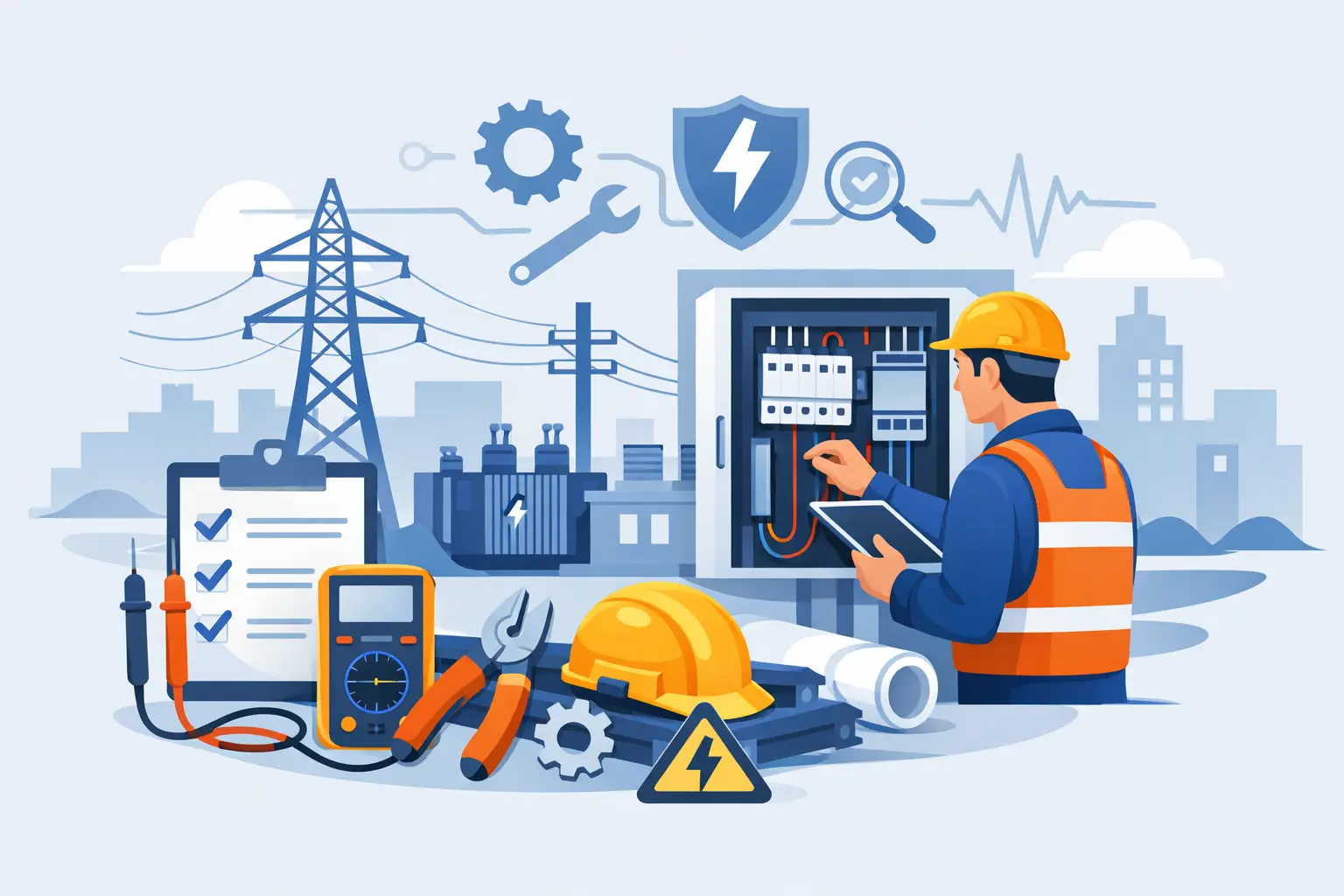
A breaker that trips once may be a nuisance. A breaker that keeps tripping, a warm outlet, or lights that flicker can be an early warning that needs proper attention. Electrical maintenance standards explained simply means knowing what should be checked, tested, recorded, and repaired to keep an electrical system safe over time – not just getting it working again for the day.
For homeowners, landlords, and business owners, the goal is straightforward: reduce the risk of shock, fire, costly downtime, and avoidable damage. Good maintenance also gives you a clearer picture of the condition of your wiring, panels, circuits, and fixed equipment before a small issue turns into an urgent callout.
What electrical maintenance standards are designed to do
Electrical standards set the expected level of safety for electrical installations and equipment. They cover areas such as circuit protection, grounding, safe isolation, cable condition, labeling, access to electrical panels, and the suitability of equipment for its environment.
Maintenance is the practical, ongoing side of that safety work. It involves looking for deterioration, testing protective devices, checking that changes to a property have not created a problem, and putting defects right properly. A system can have been installed correctly years ago and still need attention because connections loosen, equipment wears out, water gets where it should not, or the way a building is used changes.
Standards are not simply a box-ticking exercise. They help an electrician make sound decisions about risk. For example, a small defect in a rarely used storage room may need a planned repair, while damage to a cable near a sink, heat damage at a panel, or a failed protective device needs more immediate action.
Installation standards and maintenance are not the same thing
A common misunderstanding is that every older electrical installation must be brought up to the latest standard immediately. That is not always the case. Standards develop over time, and an existing installation is not automatically unsafe just because it was installed under earlier requirements.
The key question is its present condition. Is it safe to continue using? Is there damage, deterioration, inadequate protection, or evidence of poor previous work? Has an extension, conversion, new appliance, or change in use placed more demand on circuits than they were designed to handle?
A professional inspection should identify genuine safety concerns and explain the practical options. That may mean a minor repair, a panel upgrade, new circuits for added load, or a larger rewire where the installation is clearly at the end of its working life.
Electrical maintenance standards explained for properties
The right maintenance plan depends on the type of property and how it is used. There is no honest one-size-fits-all schedule.
In a home, visual checks and prompt repairs are often the most useful starting point. Keep an eye out for cracked outlets or switches, scorch marks, buzzing, repeated tripping, damaged cords, loose fittings, and lights that dim when larger appliances start. Avoid overloading extension leads or power strips, especially around high-demand items such as heaters, kettles, or kitchen appliances.
Landlords have an added responsibility to provide a safe electrical installation for tenants and to meet the rules that apply to their rental property. Periodic inspection, clear records, and timely remedial work help protect tenants and demonstrate that issues have been dealt with responsibly. Between formal inspections, reports of faults should never be treated as routine wear and tear until they have been assessed.
For a business, maintenance often needs to go further. A shop, office, workshop, restaurant, or managed building may rely on emergency lighting, fire alarm interfaces, exterior lighting, door access systems, CCTV, machinery, and multiple high-use outlets. A fault in any one of these areas can disrupt trading as well as create a safety risk.
What a proper inspection usually looks at
A periodic electrical inspection is more than a quick look at the panel. The electrician will assess accessible parts of the installation, consider how it is being used, and carry out appropriate testing. The exact scope depends on the property, but it commonly includes the following distinct areas:
- Electrical panels, breakers, protective devices, circuit identification, and signs of overheating.
- Wiring condition, visible cables, connections, outlets, switches, light fittings, and fixed equipment.
- Grounding and bonding arrangements, which are central to reducing shock risk when a fault occurs.
- Testing of circuits and protective measures to confirm they operate as intended.
- Any observed damage, unsuitable alterations, overloaded circuits, or equipment that is not appropriate for the location.
The result should be a clear report, not a pile of unexplained technical notes. You should be told what was found, how urgent it is, and what work is recommended. If repairs are needed, ask for them to be priced separately and explained in plain language.
Why testing matters as much as visual checks
Some electrical faults are obvious. A melted outlet cover or exposed cable does not need a test meter to tell you something is wrong. Many of the most significant defects, however, cannot be seen from the outside.
Testing can reveal whether circuits are adequately protected, whether connections and grounding arrangements are working as they should, and whether insulation has deteriorated. It can also identify a problem before it causes a complete failure. That is particularly valuable in commercial settings, where an unexpected outage can mean lost sales, spoiled stock, canceled appointments, or a temporary closure.
Visual checks still have a role because they can be carried out regularly by the person using the building. Staff or property occupants should know how to report damaged equipment, water leaks near electrical items, unusual smells, and recurring loss of power. They should not remove panel covers or attempt electrical repairs themselves.
Records are part of safe electrical maintenance
A maintenance standard is only useful if there is a record of what has been checked and what was done next. For landlords and businesses, keeping inspection reports, test results, repair invoices, and circuit schedules together makes future work quicker and safer. It also prevents the same fault from being repeatedly patched without finding its cause.
For homeowners, a simpler file is still worthwhile. Keep paperwork from rewiring work, panel changes, new circuits, electrical inspections, and any major additions such as EV charging equipment or security systems. When an electrician visits later, this information can help them understand the installation and avoid unnecessary disruption.
Good records also make it easier to plan spending. Not every advisory item requires immediate replacement, but leaving known deterioration unaddressed for years rarely saves money. A planned upgrade is usually less disruptive than an emergency repair after a failure.
When maintenance should become repair or replacement
Maintenance can extend the useful life of an electrical installation, but it cannot make unsafe or unsuitable equipment safe by itself. Repeated blown fuses or tripped breakers, an old panel with limited capacity, deteriorated wiring, persistent faults, or signs of heat damage all deserve a professional assessment.
The same applies after major changes to a property. A new kitchen, home office, extension, loft conversion, workshop, or electric vehicle charger can alter the demand on the system. Adding more outlets to an already overloaded circuit is not a long-term solution. Sometimes the correct answer is a new dedicated circuit or an upgrade to the main distribution equipment.
For commercial premises, changes in layout can matter just as much. Moving workstations, adding display lighting, installing equipment, or converting storage space into customer areas may affect circuit loading, emergency arrangements, and the suitability of existing electrical equipment.
A sensible approach to ongoing electrical safety
Start with the condition of your property, not a sales pitch. Arrange an inspection when you do not know the state of the installation, when faults recur, before buying an older property, after water damage, or before major renovation work. For rental and commercial properties, follow the inspection requirements and intervals that apply to your particular use and location.
Then act on the findings in order of risk. Urgent defects should be made safe without delay. Recommended improvements can often be planned around your budget, provided they do not leave a known danger in service. A trusted local electrician should be willing to explain that difference honestly.
Electrical work is one area where a quick fix can hide the real problem. Keeping accurate records, responding early to warning signs, and having work tested by a competent professional gives you the best chance of keeping your property safe, reliable, and ready for everyday use.