
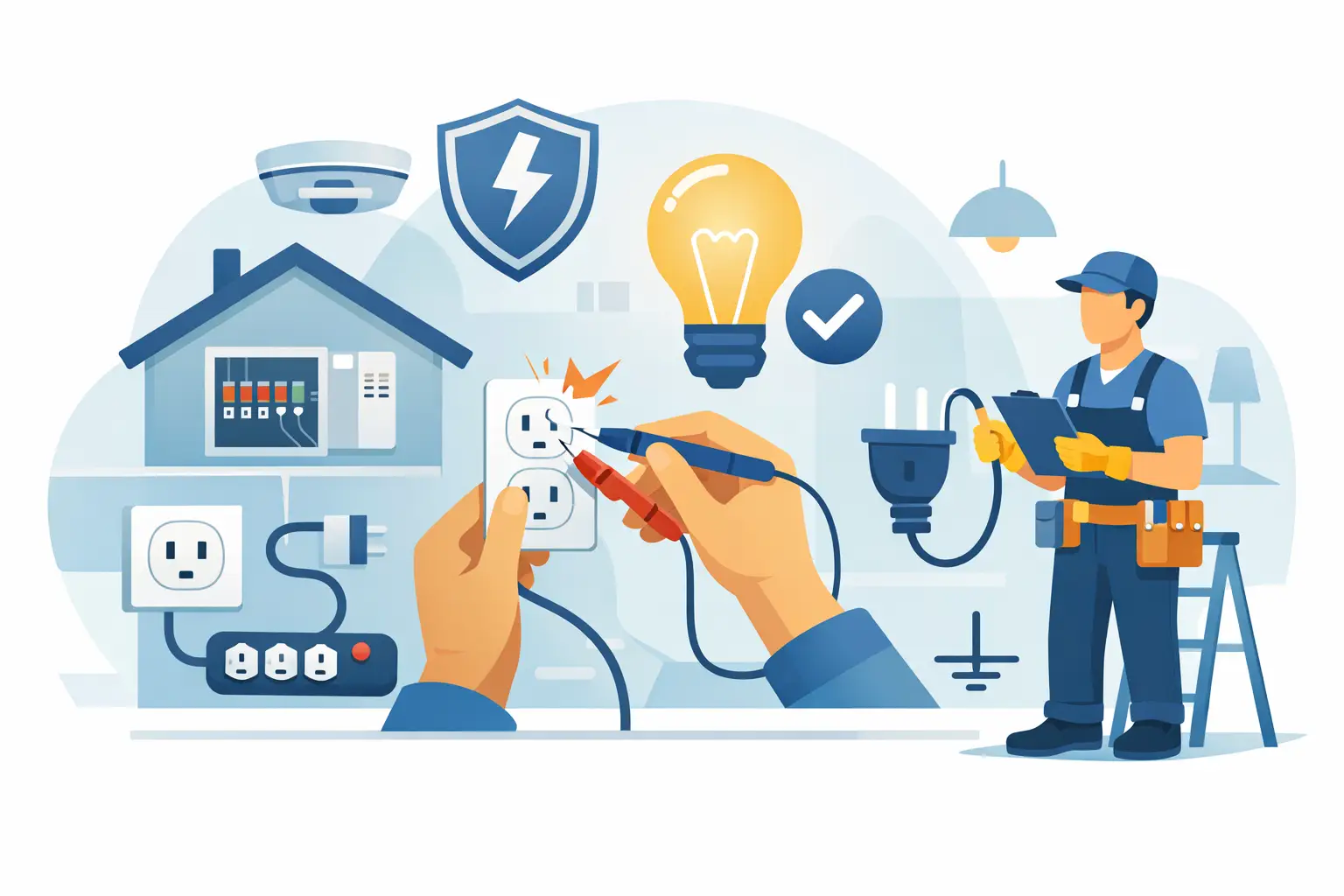
A loose socket in the kitchen, a breaker that trips whenever the kettle is on, or an extension lead hidden under a rug can seem like small problems. They are often early warnings. Knowing how to improve electrical safety means dealing with those warnings before they become electric shock, fire, property damage, or an inconvenient loss of power.
For homeowners, landlords, and business owners, electrical safety is not about trying to carry out technical work yourself. It is about using the installation sensibly, spotting changes quickly, and bringing in a qualified electrician when a fault or upgrade needs professional attention.
Start With the Everyday Risks
Most electrical hazards develop through normal use. Homes and workplaces gain more appliances over time, outlets become overloaded, and aging accessories are left in service because they still appear to work. A circuit can be under strain long before it fails completely.
Start by looking at the items you use every day. Plugs should fit firmly in outlets, cables should be free from cuts and crushing, and extension leads should not feel hot while in use. If you notice a burning smell, discoloration around an outlet, buzzing, crackling, or a mild tingle from metal equipment, stop using it and arrange for it to be checked.
Do not ignore breakers that trip repeatedly. A breaker is there to protect the circuit. Resetting it once after an obvious overload may be reasonable, but repeated tripping points to a fault, an overloaded circuit, or an appliance problem. Continuing to reset it without finding the cause removes the chance to deal with the real issue properly.
Use Outlets and Extension Leads Safely
Extension leads are useful for temporary jobs, but they should not become a permanent answer to too few outlets. Daisy-chaining extension leads, where one lead is plugged into another, increases the risk of overload and cable damage. High-demand appliances such as space heaters, microwaves, kettles, washers, dryers, and power tools need particular care.
Avoid running cables under carpets, across doorways, or where furniture can crush them. Damaged insulation may not always be visible, especially when a cable has been trapped or repeatedly bent. Keep leads away from water, heat sources, and busy walkways.
In bathrooms, kitchens, utility rooms, and outdoor areas, electricity and moisture need extra respect. Use equipment designed for the setting, keep portable devices away from sinks and tubs, and never handle plugs or switches with wet hands. Outdoor outlets, lighting, and equipment should be suitable for outdoor use and protected by the correct safety devices.
Check That Your Electrical Panel Is Doing Its Job
Your electrical panel, sometimes called a fuse board, is at the center of your property’s electrical protection. Modern installations commonly include devices that quickly disconnect power when they detect a fault that could cause electric shock or fire. Older panels may not offer the same level of protection.
You do not need to remove the cover or investigate wiring inside the panel. However, you can check that it is accessible, clearly labeled, and not blocked by storage. Everyone responsible for the property should know where it is and how to turn off the main power in an emergency.
A panel that uses old-style fuses, has missing blank covers, shows signs of overheating, or no longer has room for additional circuits deserves professional advice. An upgrade can make sense when you are adding an EV charger, renovating a kitchen, installing a shower, extending the property, or adding significant electrical load. The right option depends on the condition and capacity of the existing installation, not simply its age.
How to Improve Electrical Safety in Older Properties
Older homes and commercial units can be perfectly safe, but their wiring may have been added to or altered over many years. That is where hidden issues can arise. A property built for a small number of lights and appliances may now be powering computers, kitchen equipment, chargers, entertainment systems, heating controls, and security devices.
Warning signs include flickering lights, outlets that are loose or damaged, circuits that regularly overload, exposed cable, and switches that feel warm. You may also have no clear record of when the electrical installation was last inspected. These are good reasons to arrange an electrical safety inspection rather than waiting for a breakdown.
An inspection gives a clear view of the installation’s condition, identifies urgent defects, and separates essential work from improvements that can be planned for later. This is especially useful before buying a property, after major water damage, or when taking on a commercial lease. It replaces guesswork with a practical plan.
Give Smoke Alarms and Safety Systems the Attention They Need
Electrical safety is closely linked to fire safety. Smoke alarms should be installed in the right locations, tested regularly, and replaced according to the manufacturer’s guidance. If an alarm chirps, do not just remove the battery and forget about it. Replace the battery promptly or investigate whether the unit has reached the end of its service life.
For landlords and business owners, alarm requirements can be more specific and may depend on the type of property and how it is used. Hardwired fire alarms, emergency lighting, and security systems should be installed and maintained by someone who understands the relevant safety requirements.
A well-planned system does more than meet a checkbox. It gives occupants early warning, helps people leave safely, and protects the building when no one is there. For small businesses, this can also reduce disruption after an incident and support safer day-to-day operations.
Make Electrical Safety Part of Routine Maintenance
The best safety habits are simple enough to keep. Test smoke alarms monthly, look over commonly used cables and outlets, and avoid overloading power strips. Before using a tool or appliance that has been stored away, check its cord, plug, and casing for damage.
Landlords should keep clear records of inspections, repairs, and any work completed between tenancies. Property managers can reduce avoidable callouts by encouraging tenants to report loose outlets, flickering lights, damaged switches, or tripping breakers early. Small reports are easier and safer to resolve than faults that have been allowed to worsen.
Business owners should also consider how staff use electricity in practice. Temporary workstation setups, portable heaters, chargers, cleaning equipment, and extension leads can all create risks if nobody is responsible for checking them. A straightforward reporting process helps staff raise concerns before they become urgent.
Know When to Call an Electrician
Some jobs should never be treated as a DIY project. Any work involving fixed wiring, the electrical panel, new circuits, outlets, lighting connections, or fault finding needs professional assessment. The same applies if there has been flooding, rodent damage, a suspected cable strike, or signs of burning.
Call for help promptly if you have recurring breaker trips, shocks or tingles, hot outlets, burning smells, sparks, visible damage, or lights that dim when another appliance starts. Turn off power at the main switch only if it is safe to do so, keep people away from the affected area, and do not touch damaged equipment.
For customers across Middlesbrough, Teesside, and the wider North East, BS Electrical provides practical inspections, repairs, upgrades, and installations with clear advice on what needs attention now and what can be planned. Good electrical work should leave you with safer systems and a clear understanding of what has been done.
A safe property rarely stays that way by accident. Pay attention to the small changes, use electricity within the limits of the installation, and get concerns checked early. That approach protects the people using the space and helps prevent a minor fault from becoming the job nobody wanted.